Why Earrings Itch and How to Wear Them Comfortably
That tiny itch beneath a favorite hoop can turn a finishing touch into an all-day distraction. If you are wondering why earrings itch, the answer is usually less mysterious than it feels: your ears may be reacting to a metal, trapped moisture, rubbing, or an irritated piercing. The good news is that most cases improve with a little care and a better match between your skin and your jewelry.
Beautiful earrings should feel as good as they look. Here is how to spot the likely cause, calm your ears, and make more comfortable choices without giving up the styles you love.
Why Earrings Itch: The Most Common Reasons
A sensitivity to nickel or another metal
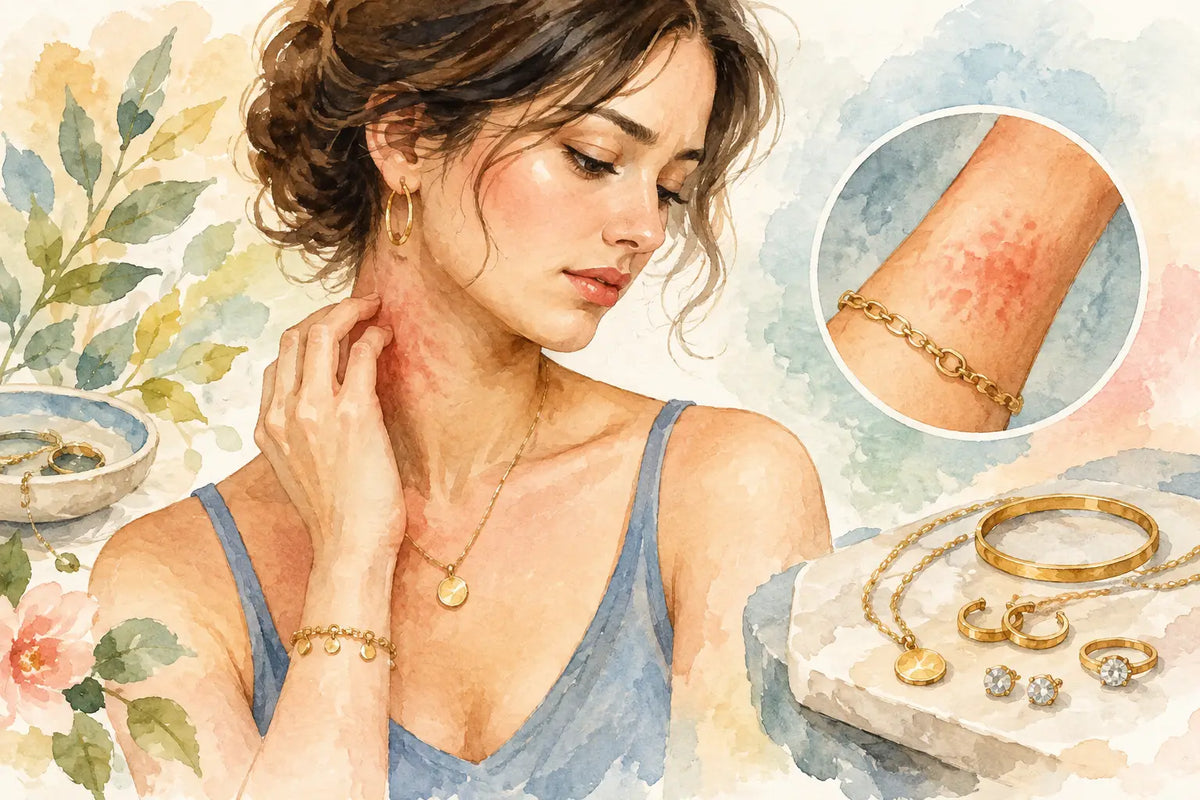
Metal sensitivity is one of the most common reasons earrings become itchy, red, or sore. Nickel is often the culprit because it is frequently used in jewelry alloys and beneath plating. Some people can wear nickel-containing pieces for years before developing a reaction, while others notice irritation almost immediately.
An allergy-related reaction often shows up where the post touches your skin. You may see itching, redness, dry or flaky skin, swelling, or a rash that lingers after you remove the earrings. It does not necessarily mean all fashion jewelry is off limits. It means material details matter more for your ears than they might for a necklace or bracelet.
Look for earrings made with materials that tend to be gentler for sensitive ears, such as titanium, niobium, surgical-grade stainless steel, or solid gold in an appropriate purity. Sterling silver works beautifully for many people, though individual reactions vary. If you know nickel bothers you, choose pieces specifically described as nickel-free rather than assuming a gold-tone finish will be enough.
Plating that has worn down
Gold-tone and silver-tone finishes make modern jewelry accessible and expressive, but plated pieces need a little consideration. Over time, friction, sweat, perfume, and skincare can wear down the outer layer, exposing the base metal underneath. An earring that once felt perfectly fine can then begin to itch.
Check the post, earring back, and the area closest to the piercing first. These are high-contact spots, so they often show wear before the rest of the design. If the finish looks patchy, dull, or discolored, retire that pair from daily wear or reserve it for shorter occasions. This is not a reason to avoid fashion-forward pieces - it is simply a reason to rotate them thoughtfully.
Moisture, product buildup, and friction
Earrings sit close to skin, hair, and the products you use every day. Hairspray, dry shampoo, body lotion, sunscreen, perfume, and shampoo residue can collect around a piercing and create irritation. Sleeping in earrings or wearing heavy styles for hours can add pressure and friction, especially if the post moves frequently in the piercing.
Warm weather can make this worse. Sweat and humidity leave the area damp, which can make sensitive skin feel itchy even when the metal itself is not the issue. A clean, dry piercing and freshly wiped earring posts make a noticeable difference.
A new or not-yet-healed piercing
Fresh piercings are especially sensitive. Itching can be part of normal healing, particularly as the skin repairs itself, but a new piercing should not be treated like a fully healed one. Changing earrings too soon, touching the area often, or using harsh cleansers can prolong irritation.
Healing time depends on the piercing location and your body. Earlobes often heal faster than cartilage, but there is no single calendar date that fits everyone. Follow the guidance from your licensed piercer and use jewelry suited to healing rather than switching immediately to your favorite statement drops.
A tight backing or a heavy silhouette
Sometimes the issue is mechanical, not chemical. A backing pressed too tightly against the ear can trap moisture and reduce airflow. A substantial hoop, drop earring, or sculptural design may pull on the lobe enough to cause tenderness and itching by the end of the day.
You do not have to skip bold style altogether. Save heavier earrings for dinners, celebrations, or a few polished hours out, then choose lightweight hoops, studs, or petite drops for everyday wear. Style should fit your life, not leave your ears asking for a break.
How to Calm Itchy Ears
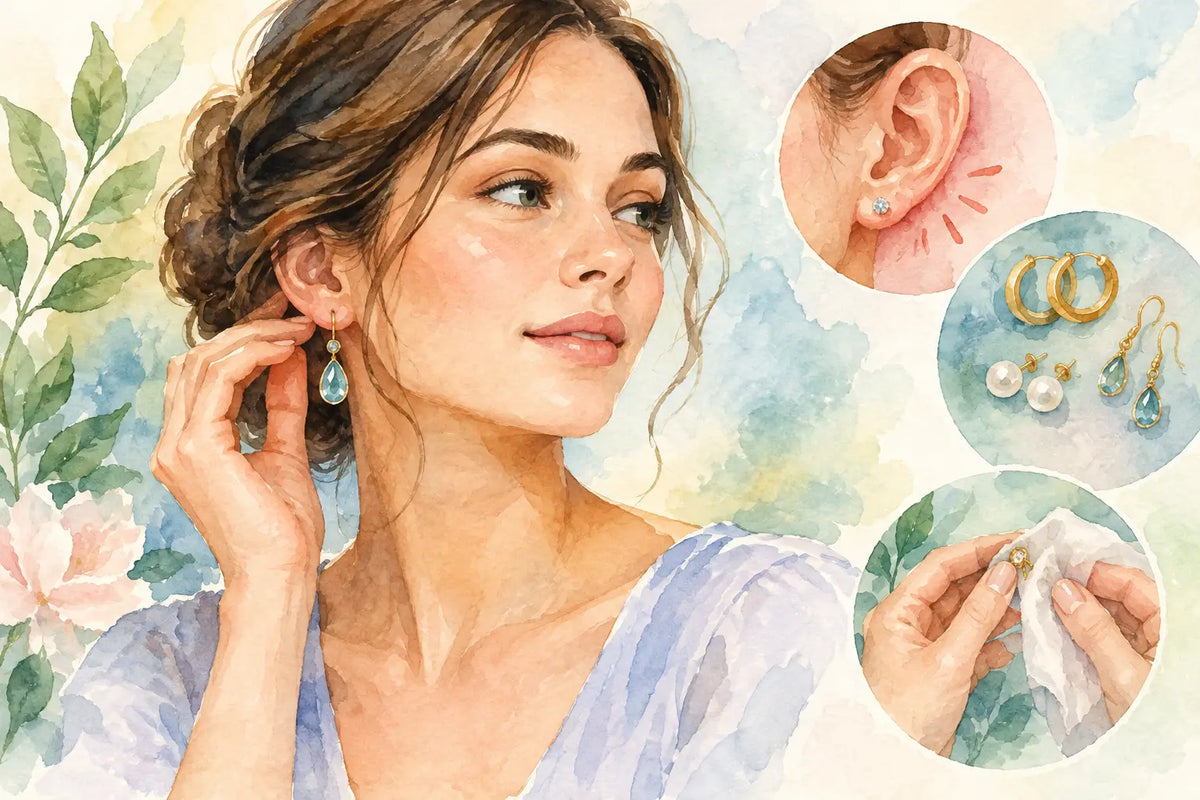
First, take the earrings out. Continuing to wear the suspected pair can make a mild reaction more uncomfortable and harder to identify. Gently wash your hands, then clean the outer ear and earring posts with mild soap and water. Pat the area dry with a clean towel rather than rubbing it.
Give your ears a short jewelry-free pause if the skin is irritated. Avoid alcohol, hydrogen peroxide, and strongly scented products unless a medical professional has directed you to use them. These can be drying and may aggravate already sensitive skin.
When you try earrings again, choose a pair with a known skin-friendly material and keep the wear time short at first. This small test can help you separate a one-time irritation from a material sensitivity. If one pair consistently causes problems while another does not, the difference is useful information, not a coincidence.
Do not apply a clear coating or polish directly to earring posts as a long-term solution. It may wear away quickly and introduce more ingredients against the skin. Choosing better-suited materials is the more dependable, comfortable approach.
When Itching Could Be More Than Irritation
An itchy ear does not always mean an allergy, and it is wise not to guess when symptoms are escalating. Contact a healthcare professional promptly if you notice increasing pain, significant swelling, warmth, pus, spreading redness, fever, or a piercing that appears embedded. These can be signs of infection or another issue that needs proper care.
If the skin keeps reacting even with nickel-free, lightweight earrings and careful cleaning, consider speaking with a dermatologist or allergist. Patch testing may help identify a specific allergy. Getting clarity can make shopping for jewelry feel simpler and more enjoyable.
Better Earring Habits for Sensitive Ears
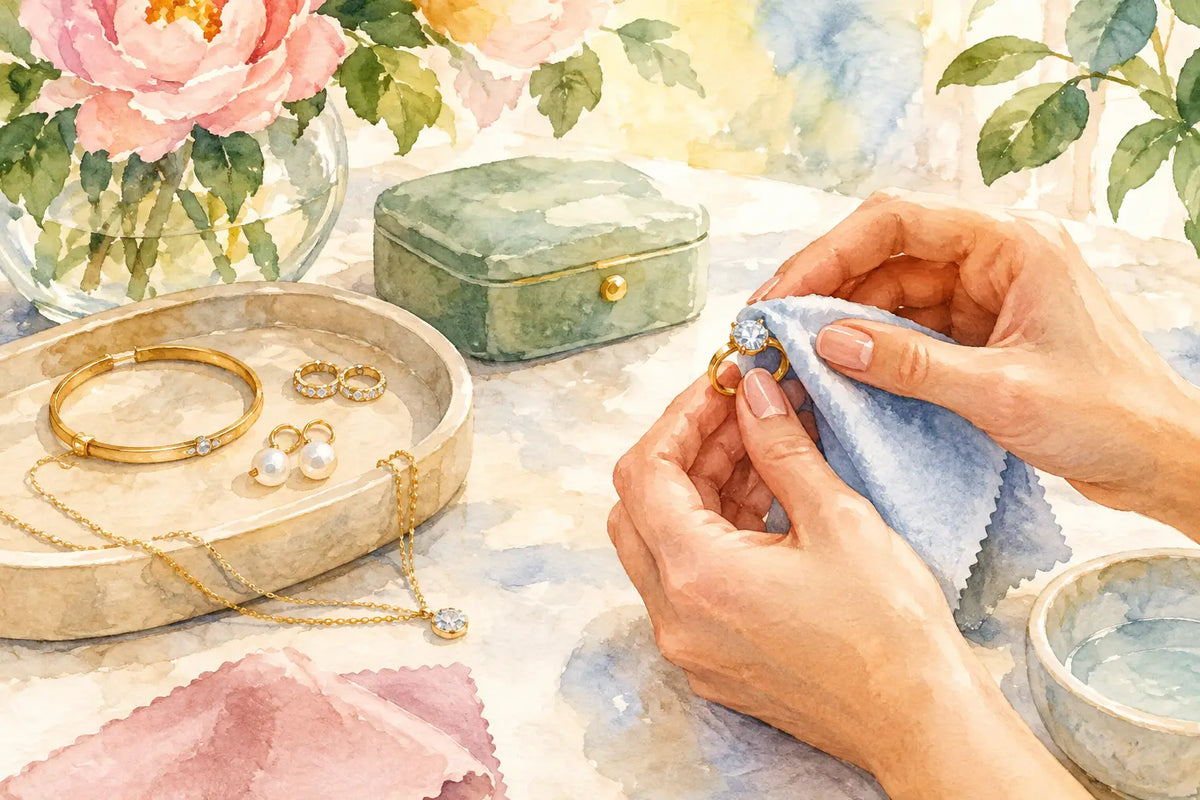
A few everyday habits can protect both your earrings and your skin. Put earrings on after perfume, hair products, and skincare have dried. Take them off before showering, swimming, working out, or sleeping. Wipe posts and backs with a soft, dry cloth after wear, especially in humid weather.
Store each pair somewhere clean and dry rather than tossing jewelry into a bathroom drawer where moisture lingers. Rotate your earrings, too. Giving your lobes a break from the same pair - especially a heavier or plated style - can prevent friction from becoming an ongoing problem.
It also helps to buy with intention. A pair can be affordable, trend-conscious, and comfortable when its material and construction suit your needs. Pay attention to the part that touches your skin, not only the finish you see from the front. That is where effortless style begins.
Choosing Earrings That Feel Like You
Sensitive ears should never force you into one look. Minimal studs can bring quiet polish to a workday, while lightweight hoops, pearl accents, celestial details, and geometric drops let you shift the mood without sacrificing comfort. The right pair is the one that complements your outfit and lets you forget you are wearing it.
At Laliyo, elegance is meant to feel accessible - and considered. Building a small rotation of styles for different moments can help you enjoy fresh, expressive jewelry while treating your ears with care. Keep your favorite designs clean, listen when your skin asks for a pause, and let comfort be part of your signature style.