Best Earrings for Sensitive Ears That Feel Good
A beautiful pair of earrings should finish your look, not leave your lobes itchy, red, or sore by dinner. The best earrings for sensitive ears are not defined by one silhouette or a high price tag. They are the pieces made with skin-friendly materials, thoughtful construction, and a fit that feels as good as it looks.
For people who love to switch from minimalist studs to polished hoops or a statement drop, sensitivity does not mean settling for less. It simply means choosing with a little more intention. Here is how to find earrings that bring the shine without the irritation.
What Makes Ears Sensitive to Earrings?
Most earring sensitivity comes down to contact dermatitis, a skin reaction triggered when certain metals touch the skin. Nickel is a frequent culprit because it is commonly used in metal alloys and plating. It can cause itching, dryness, swelling, tenderness, or a rash around the piercing.
That said, not every reaction is a nickel allergy. Heavy earrings can pull on a piercing and create soreness, while rough posts, poorly finished backs, or trapped product buildup can aggravate the area. A new piercing may also need more care than a fully healed one. The material matters, but comfort is always a combination of metal, design, fit, and daily habits.
If you experience persistent pain, discharge, significant swelling, or a reaction that does not settle after removing earrings, speak with a dermatologist or healthcare professional. Jewelry should feel expressive and effortless, never like something you have to push through.
Best Earrings for Sensitive Ears Start With the Metal
The words on a jewelry tag can be confusing. “Gold tone” describes color, not necessarily composition, while “gold plated” means a layer of gold has been applied over another metal. For sensitive ears, knowing what touches your skin is the detail that counts.
Titanium: a lightweight favorite
Titanium is often one of the strongest choices for highly sensitive ears. It is lightweight, durable, and generally well tolerated by people with metal sensitivities. Its low weight also makes it especially appealing for larger hoops and drop earrings that you want to wear for hours.
Titanium can have a more modern, understated look than traditional yellow-gold jewelry, though finishes and coatings can change its appearance. If your priority is dependable everyday comfort, it is worth seeking out.
Niobium: colorful and gentle
Niobium is another skin-friendly option that is often used in body jewelry and can be anodized in different colors. It is a practical choice when you want a nontraditional finish without compromising on comfort. It may be less common in fashion-forward earring collections, but it is a smart material to know.
Solid gold: choose quality and purity carefully
Solid gold can be an elegant option, especially in 14K or higher. Pure 24K gold is soft, so gold jewelry is alloyed with other metals for strength. That means sensitivity can still depend on what is in the alloy, particularly for people who react to nickel.
Look for clear material information rather than assuming every gold piece is the same. Higher-karat gold contains more gold, but it is not automatically the best answer for every person. The alloy and your individual sensitivity both matter.
Surgical-grade stainless steel: a practical middle ground
Surgical-grade stainless steel is durable, accessible, and widely used for earrings. Some grades contain nickel, but the nickel is often bound within the alloy in a way that limits release. Many people wear it comfortably, while others with a known nickel allergy may still react.
Consider it a useful option if your ears are mildly sensitive and you have worn stainless steel successfully before. If your reactions are stronger or unpredictable, titanium may be the safer first choice.
Gold vermeil and gold plating: beautiful, with a trade-off
Gold vermeil typically uses a thicker layer of gold over sterling silver, while gold-plated jewelry can use a thinner gold layer over varying base metals. Both can offer a refined, golden finish at a more approachable price.
The trade-off is wear over time. As plating thins, the base metal may become exposed, which can matter if that metal bothers your skin. Save plated earrings for occasional wear, treat them gently, and pay attention if comfort changes after months of use.
Choose a Comfortable Earring Design
The right material is only one part of the equation. A perfectly wearable metal can still feel wrong if the earring is too heavy, the post is too short, or the back pinches your lobe.
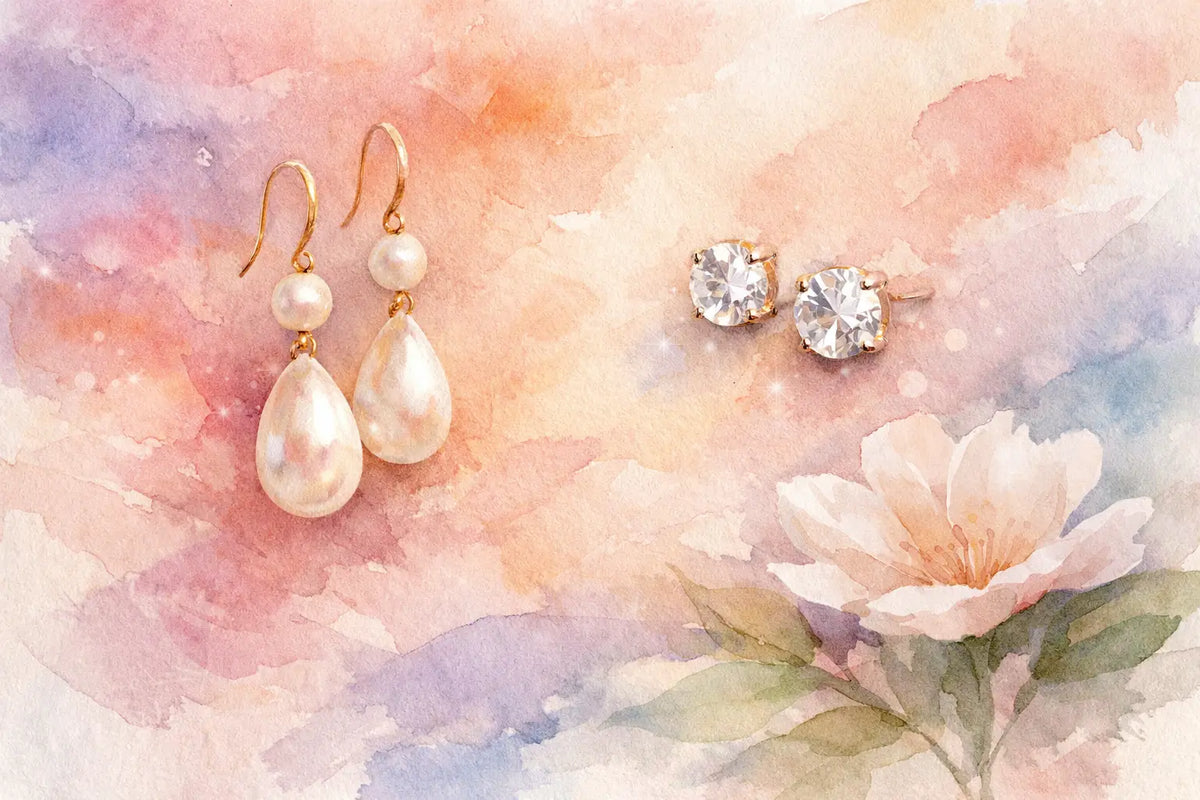
Studs are often the easiest everyday option because they stay close to the ear and create minimal movement. Look for smooth posts and backs that sit securely without pressing tightly. Flat-back styles can be especially comfortable if you wear earrings while resting, traveling, or working with headphones.
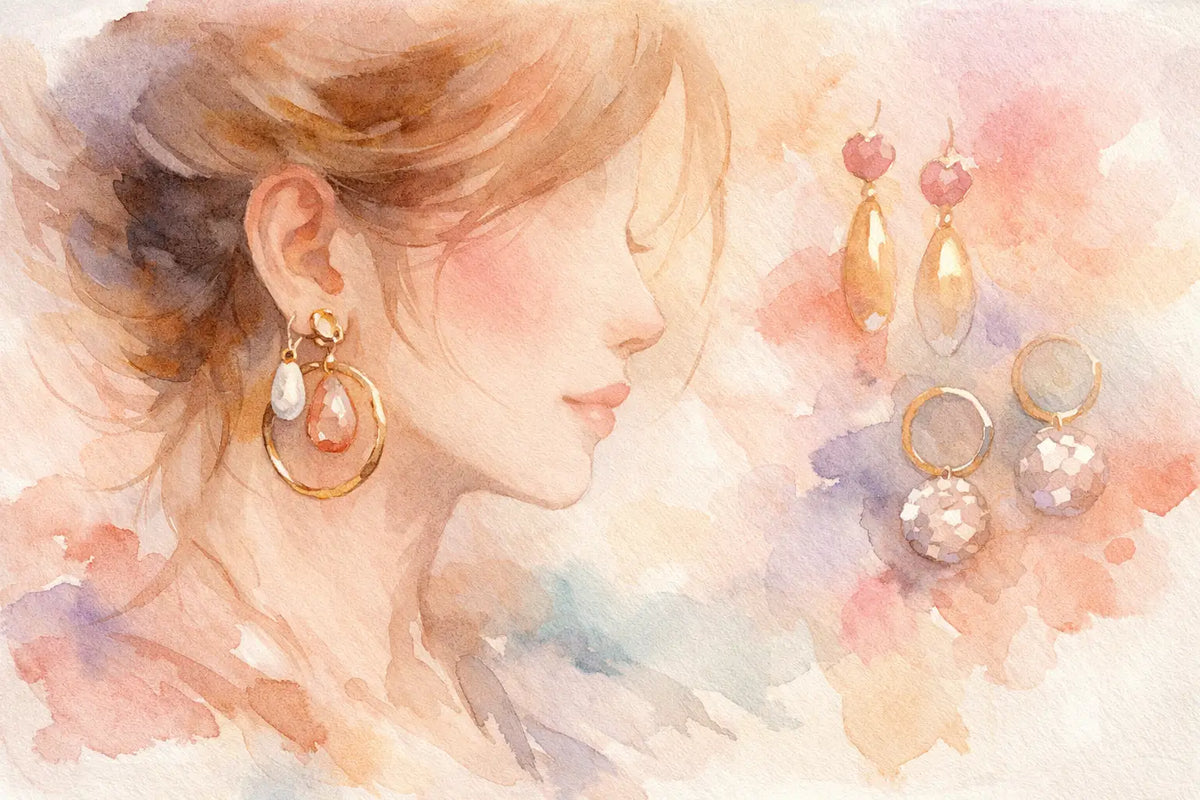
Small and medium hoops offer a polished balance between classic and current. For sensitive ears, prioritize lighter styles with a smooth closure. Very large hoops can be striking, but their weight and movement may tug on a piercing over a long day.
Drop earrings and geometric designs bring personality to simple outfits, from a white shirt to an evening dress. Choose airy shapes, slimmer silhouettes, and lighter materials when possible. A dramatic look does not need to feel heavy to make an impact.
Read Product Details Like a Style Insider
A close product description tells you more than a glossy photo ever can. Before adding earrings to your cart, look for the base metal, post material, plating information, and care guidance. If a listing only says “metal,” “alloy,” or “gold finish,” there may not be enough detail to make a confident choice.
It is also worth distinguishing between “nickel-free” and “hypoallergenic.” Nickel-free indicates that nickel is not intentionally included, though standards and manufacturing practices can vary. Hypoallergenic generally means the product is designed to reduce the likelihood of reactions, not that it can guarantee a reaction-free experience for every person.
Your own history is valuable information. If you know sterling silver, titanium, or 14K gold works well for you, use that as your starting point. There is no prize for wearing a material that has caused trouble before.
Keep Sensitive Ears Happier With Simple Care
Even high-quality earrings can irritate skin when they are not cleaned regularly. Makeup, hair products, sweat, and skincare can collect around posts and backs, especially when earrings are worn day after day.
Clean earrings according to their material and finish, then dry them thoroughly before putting them away. A soft, dry jewelry cloth is a gentle choice for many pieces. Avoid harsh cleaners on plated jewelry, pearls, or delicate finishes, since they can dull the surface or shorten the life of the plating.
Give your ears a break when they feel tender. Remove earrings before swimming, showering, or exercising if the design and material are not intended for those conditions. After applying perfume, hairspray, or lotion, let the product dry before putting on your jewelry. These small habits help preserve both your earrings and your comfort.
Style Should Never Ask You to Compromise
Sensitive ears deserve the same freedom to wear sculptural hoops, luminous pearls, celestial details, and clean-lined studs. The most wearable jewelry is the kind you reach for again because it completes your outfit and feels easy from morning plans to late-night dinners.
At Laliyo, elegance is meant to feel attainable, considered, and joyful. Choose earrings with transparent material details, a shape that suits your day, and a finish you will be excited to wear often. A thoughtful pair can become more than an accessory - it can be your quiet daily signature, made to shine comfortably.