Does Fashion Jewelry Cause Rashes? Know Why
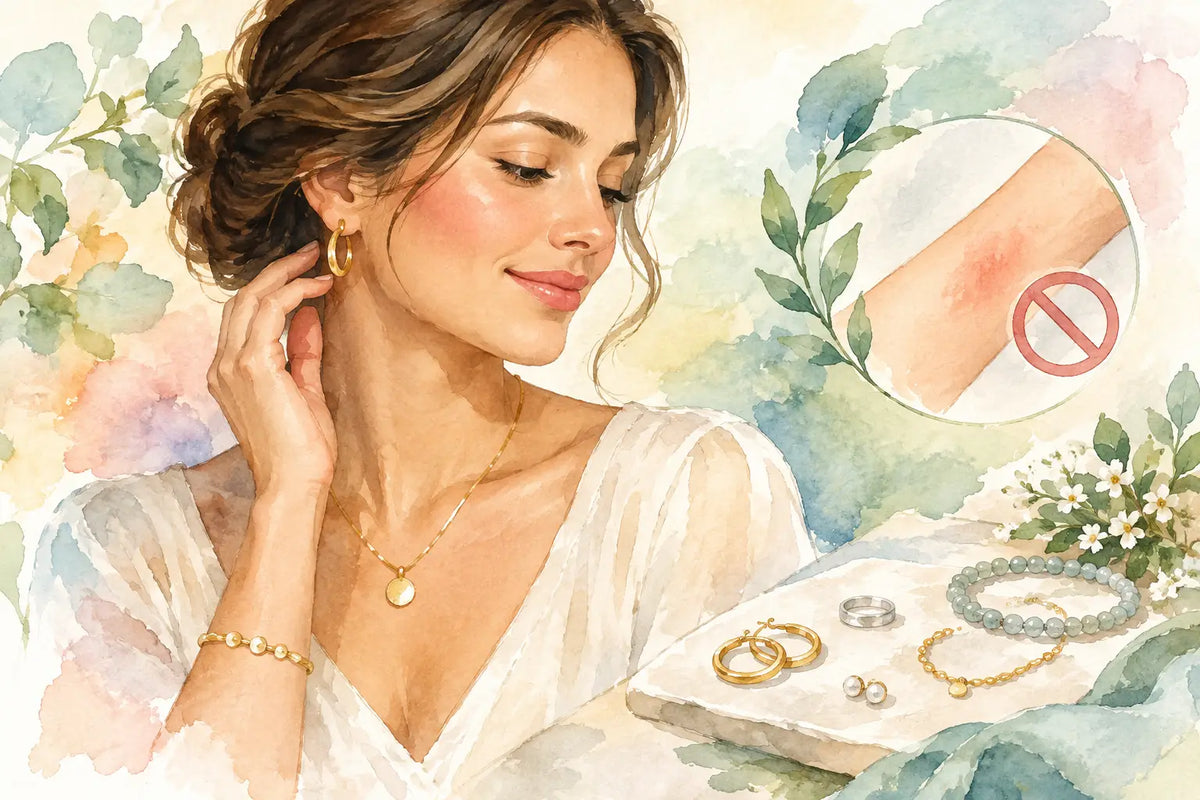
That new pair of hoops can pull an outfit together in seconds - until your earlobes feel itchy, red, or warm by the end of the day. So, does fashion jewelry cause rashes? It can, but the jewelry category itself is not the whole story. A rash is usually a reaction to a specific metal, plating, product buildup, moisture, or friction against the skin.
The good news: you do not have to choose between expressive, affordable style and feeling comfortable. Knowing what is behind the irritation makes it easier to wear jewelry with more confidence, care for the pieces you love, and make more considered choices for your collection.
Why Fashion Jewelry Can Cause Rashes
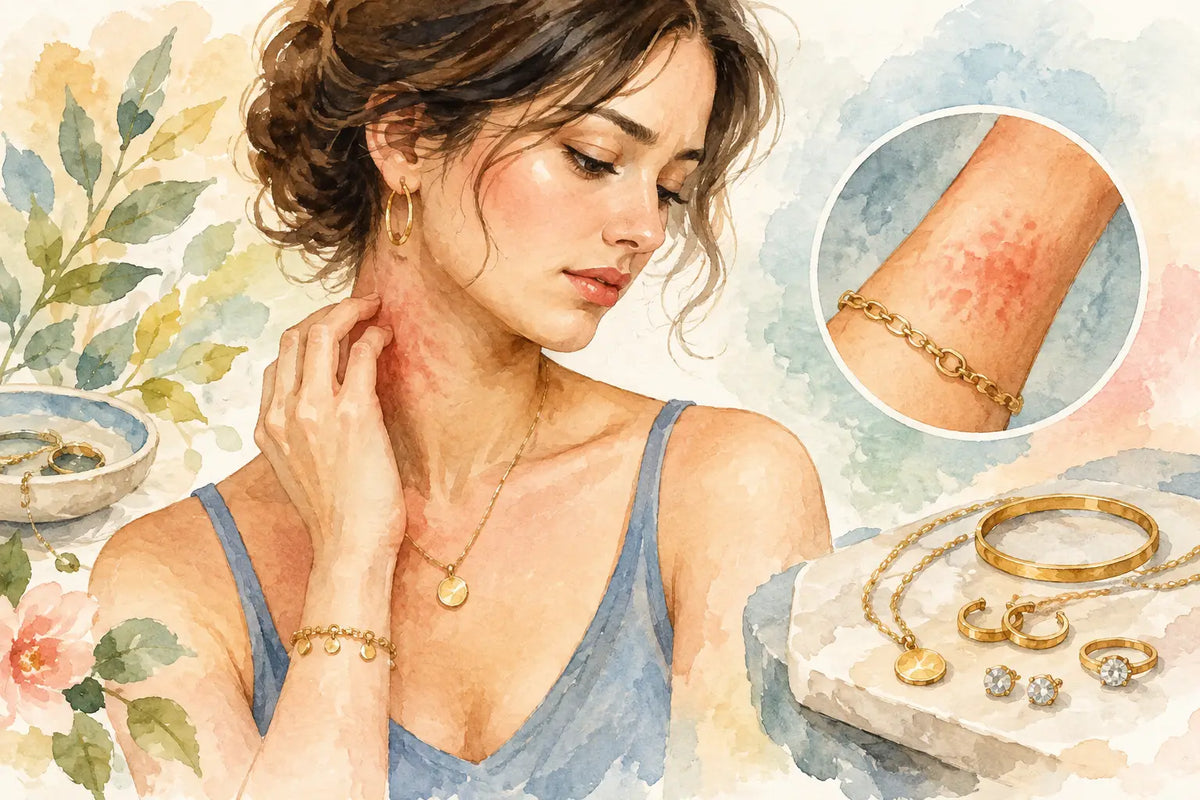
The most common culprit is contact dermatitis, a skin reaction that happens when something touching your skin causes irritation or triggers an allergy. It may show up as itching, redness, tiny bumps, dry patches, swelling, or a burning sensation. With jewelry, it often appears exactly where a post, ring band, clasp, or necklace chain rests.
Nickel is a frequent trigger. It is a widely used metal in jewelry alloys because it is durable and cost-effective, but some people develop a nickel allergy over time. Once someone is sensitized, even brief contact can be enough to cause a reaction. The backs of earrings, clasps, rings, and watch-style bracelets can be especially troublesome because they sit closely against the skin.
Not every jewelry rash is an allergy, though. A piece can feel irritating because of sweat trapped beneath it, soap residue, perfume, body lotion, sunscreen, or the simple rubbing of metal against sensitive skin. A snug ring during a hot day, for example, may leave skin red and sore without indicating a true metal allergy.
Plated jewelry deserves a little context, too. Many fashion pieces use a base metal finished with a thin layer of gold-tone, silver-tone, or other decorative plating. That finish helps create a polished look, but it can gradually wear with frequent friction, moisture, or exposure to products. If the underlying metal is one your skin dislikes, irritation may begin after the finish becomes thinner in high-contact areas.
Does Fashion Jewelry Cause Rashes for Everyone?
No. Plenty of people wear fashion jewelry every day without a problem. Skin sensitivity is personal, and reactions can depend on the materials in a particular piece, how long it is worn, the condition of your skin, and the environment around you.
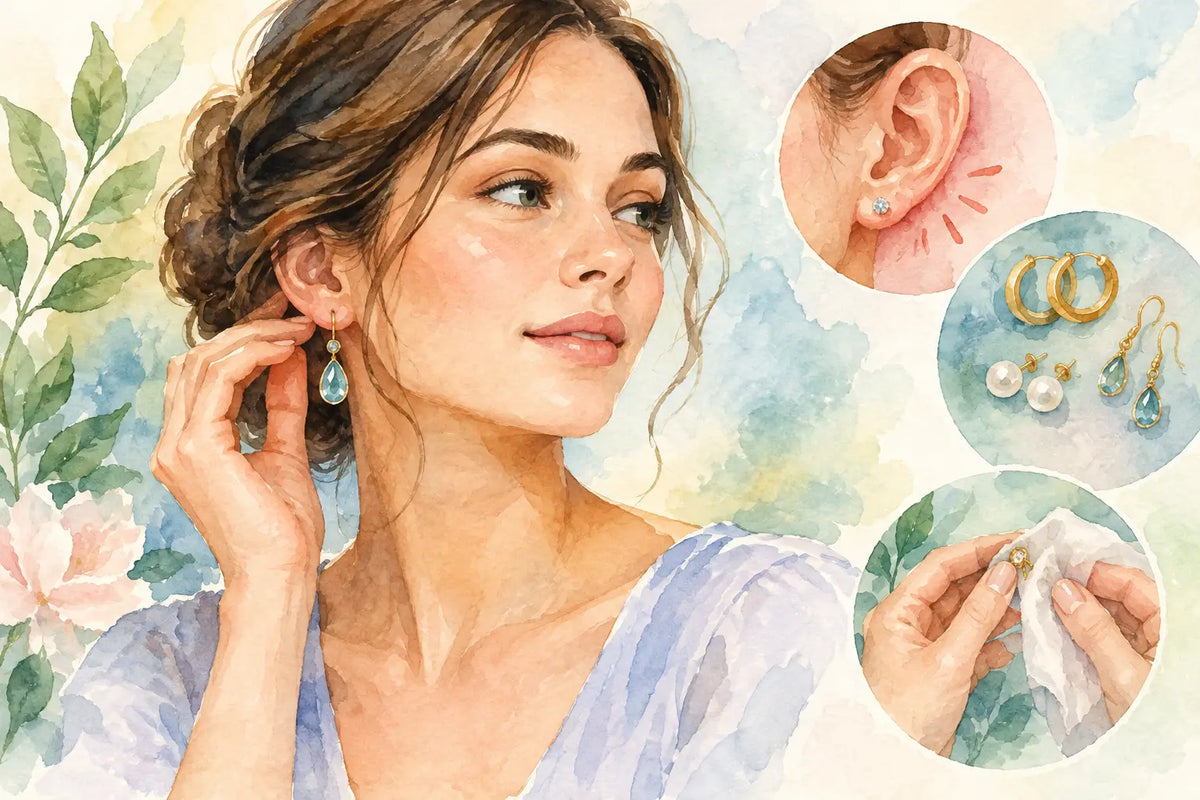
You may also tolerate one piece beautifully and react to another. Earrings are a classic example: newly pierced ears or ears with irritated piercing channels may be more reactive than the skin on your wrist. Rings can be affected by handwashing and sanitizer. Necklaces may bother skin during warm, humid weather or after exercise, when sweat and fragrance create a more irritating mix.
A reaction can also appear later in life. Wearing a certain metal for years does not guarantee that you will always tolerate it. Allergic contact dermatitis can develop after repeated exposure, which is one reason a sudden rash is worth paying attention to rather than brushing off.
How to Tell What Is Causing the Reaction
Start with the timing and placement. If irritation begins soon after wearing a specific necklace, ring, or pair of earrings and clears when you stop, the jewelry is a reasonable suspect. If the rash shows up beneath a clasp or along the exact path of a chain, that is another useful clue.
Then consider the surrounding routine. Did you spray perfume on your neck before putting on a necklace? Did you wear your bracelet to the gym? Have you been using a new hand cream while wearing rings? Often, the issue is not one factor but a combination of metal, moisture, and product residue.
Give your skin a break before testing the piece again. Once the area has fully calmed, wear the jewelry for a short period on clean, dry skin. If the same reaction returns in the same location, stop wearing it. Avoid repeatedly testing jewelry on already inflamed skin, since that can make a reaction worse.
If you are unsure whether nickel is the issue, a dermatologist or allergist can perform patch testing. This is particularly helpful if rashes keep returning, spread beyond the contact area, or interfere with daily life. Jewelry should make getting dressed more fun, not leave you guessing about your skin.
Simple Ways to Wear Jewelry More Comfortably
Good jewelry habits protect both your skin and the finish of your pieces. Put jewelry on last, after makeup, perfume, hair spray, lotion, and sunscreen have had time to settle. Take it off before showering, swimming, exercising, sleeping, or cleaning. Water and sweat are not always a problem in a single moment, but repeated exposure can encourage irritation and speed up wear.
Clean your pieces gently with a soft, dry cloth after wearing them. This removes oils and product residue that can linger where jewelry touches skin. Keep pieces separately in a dry place so chains do not tangle and surfaces do not scratch against one another.
Fit matters, too. A ring that is too tight can trap soap and moisture. Heavy earrings can pull on already sensitive lobes. A necklace that catches at the same point all day may create friction. Choosing comfortable proportions and taking pieces off when your skin feels hot or irritated is a small act of care with a noticeable payoff.
Some people use a jewelry barrier product or clear protective coating on areas that touch the skin. This may reduce contact with the underlying metal for a while, but it is not a permanent solution. Coatings wear down, especially on rings and clasps, and they should never be used over broken or irritated skin.
Choosing Pieces With Sensitive Skin in Mind
If you know your skin reacts easily, look beyond the color and silhouette before adding a piece to your cart. Material details matter. Options commonly considered more compatible with sensitive skin include titanium, niobium, platinum, and certain grades of stainless steel. Solid gold can work well for many people, though gold purity and alloy ingredients still matter. Sterling silver is another popular choice, but it can contain other metals that do not suit everyone.
Terms such as “hypoallergenic,” “nickel-free,” and “sensitive-skin friendly” can be useful starting points, but they are not a universal guarantee. “Hypoallergenic” does not have one fixed legal definition, and an individual can react to materials that are comfortable for most people. Read available material information, think about your past reactions, and introduce new pieces gradually.
For trend-forward jewelry, it is also smart to treat your collection with intention. Rotate favorite pieces instead of wearing one item through every shower, workout, and errand. Choosing versatile designs you will reach for often, then caring for them well, supports a more thoughtful approach to style. At Laliyo, that idea fits naturally with accessible elegance and a lighter footprint: enjoy the details, wear them well, and make each piece part of a wardrobe you truly love.
When a Jewelry Rash Needs Medical Attention
Remove the jewelry right away if you develop a rash. Seek medical guidance if you have severe swelling, blisters, oozing, increasing pain, signs of infection, trouble breathing, or swelling of the face or throat. Breathing difficulty or facial and throat swelling can signal a serious allergic reaction and needs urgent care.
For a mild rash, leaving the area bare, clean, and dry may help. A clinician or pharmacist can advise on appropriate treatment based on your symptoms and health history. Do not put jewelry back on until the skin has healed, even if it is a piece you wear all the time.
Your style should feel like self-expression, not a compromise. Listen when your skin asks for a pause, choose materials with care, and let the pieces you wear add a little shine to your day - comfortably.