Recycled Versus Virgin Jewelry Packaging
A jewelry box is often the first thing someone touches before they see the necklace, ring, or earrings inside. That small moment should feel considered. The conversation around recycled versus virgin jewelry packaging matters because packaging has to do two jobs at once: protect a beautiful piece and reflect the values behind the purchase.
For style-conscious shoppers, sustainability should not mean a plain, forgettable unboxing experience. It means choosing materials and designs with care, avoiding unnecessary excess, and making every detail feel as thoughtful as the gift itself.
What recycled and virgin packaging really mean
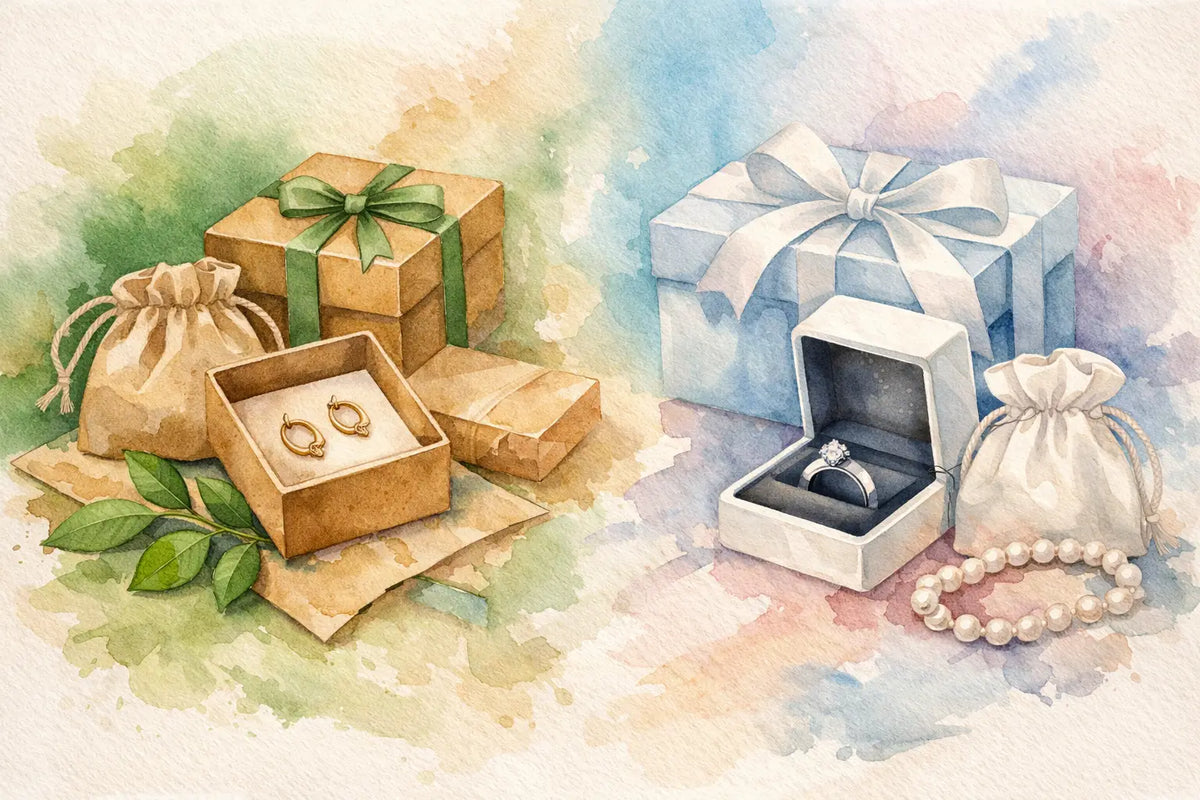
Recycled packaging is made with materials that have been collected and processed after use. For jewelry brands, that may include recycled paper boxes, tissue, mailers, cards, or inserts. The recycled content can vary widely. A package may contain some recycled fiber, while another is made almost entirely from post-consumer recycled content.
Virgin packaging uses newly sourced raw materials. In paper packaging, that usually means fiber from newly harvested trees. In plastic packaging, it means newly produced plastic resin. Virgin materials are often prized for their consistent color, smooth finish, and structural strength, especially when a package needs crisp edges, detailed printing, or extra protection.
Neither label tells the whole story by itself. A recycled box that cannot be recycled again due to mixed coatings or plastic embellishments has limits. A virgin paper box made from responsibly managed forests may have a different footprint than one made from poorly sourced fiber. The better question is not simply which material sounds greener. It is whether the package is right-sized, durable, recyclable where the customer lives, and worth keeping or reusing.
Recycled versus virgin jewelry packaging: the real trade-offs
Recycled paper and cardboard can reduce demand for new raw materials and help keep useful fiber in circulation. That is a meaningful advantage for brands that ship at scale. Choosing recycled content also signals that packaging is part of the product experience, not an afterthought headed straight for the trash.
Still, recycled fiber has practical constraints. Paper fibers become shorter each time they are recycled, so they cannot be reused forever. Some boxes need a portion of virgin fiber to stay firm enough to protect delicate hoops, pearl accents, chains, and adjustable rings during transit. If a package crushes easily and a piece arrives damaged, the replacement shipment can create more waste than a stronger design would have.
Virgin materials can offer dependable strength and a polished finish, but they should be used intentionally. A heavyweight rigid box for a small pair of studs may look elevated, yet it can use far more material than the item requires. For affordable fashion jewelry, the most elegant choice is often the one that feels special without being excessive.
Color also deserves a closer look. Bright white paper can require more processing, while natural recycled kraft tones may use fewer finishing steps and visibly communicate a lower-impact approach. Neither is automatically better, but restrained printing, water-based inks where possible, and minimal coatings generally make recycling easier.
Protection is part of responsible packaging
Jewelry is small, but it is not indestructible. Fine chains can tangle. Earring posts can bend. A glossy stone or pearl-inspired accent can scratch if it moves freely in transit. Packaging must provide enough support to keep each piece secure from warehouse to doorstep.
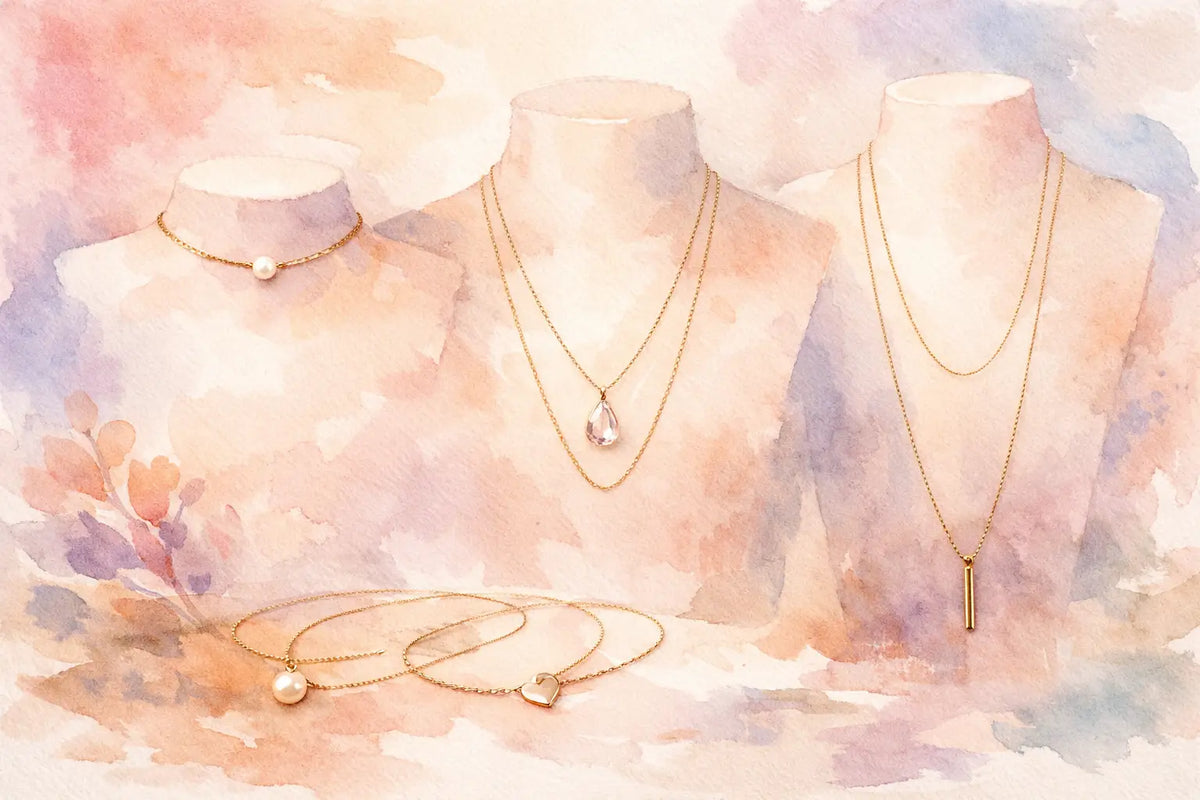
This is where thoughtful design outperforms a one-size-fits-all sustainability claim. A lightweight recycled box with a simple paper insert may be ideal for a minimalist necklace. A layered necklace may need a card or holder that keeps the chains separated. A bracelet can require a slightly different structure to prevent shifting.
The goal is not to add layers for the sake of luxury. It is to use only the materials that earn their place. A compact box, protective paper wrap, and a correctly sized shipping mailer can often deliver a gift-ready feeling with far less waste than oversized boxes, foam inserts, plastic trays, and decorative fillers.
Recyclable is not the same as recycled
These terms are easy to confuse, and both matter. Recycled refers to what the packaging is made from. Recyclable refers to whether a customer may be able to place it in a recycling stream after use.
A package can be recyclable but made entirely from virgin fiber. It can also contain recycled content but be hard to recycle because it includes glitter, metallic laminates, magnets, plastic windows, or permanently attached mixed materials. Those details may look premium for a moment, but they can complicate disposal.
For customers, clarity makes a difference. Simple instructions such as removing a jewelry insert before recycling a box can turn a good packaging choice into a more useful one. Just as importantly, brands should avoid making broad claims that depend on facilities every community does not have. Recycling systems vary across the United States, so honest language is always more stylish than overpromising.
The most thoughtful option is often less packaging
Sustainability is not only about choosing recycled stock. It is also about reducing what never needed to be produced. A small, well-designed package can feel refined because it is intentional. It tells the recipient that the focus is the jewelry, the occasion, and the person receiving it.
For self-purchases, shoppers may appreciate an option to skip extra gift wrapping or duplicate inserts. For birthdays, holidays, and just-because moments, a reusable box or elegant card can add delight without creating a pile of disposable pieces. Flexibility respects different needs while keeping the experience personal.
This approach also supports everyday style. A jewelry box that is sturdy enough to hold favorite hoop earrings or a go-to paperclip necklace after unboxing becomes part of a customer’s routine. Reuse is not a perfect solution, but packaging that has a second life is more valuable than packaging designed for one short reveal.
What to look for when buying jewelry
You do not need to inspect every package like a materials engineer. A few signals can help you choose more thoughtfully. Look for packaging that is compact relative to the jewelry, made with clearly stated recycled content, and easy to separate into paper and non-paper components.
Be cautious of packages that rely on multiple layers of plastic, oversized rigid boxes, or heavy decoration that serves no protective purpose. A polished presentation does not require waste. Clean typography, considered color, soft paper texture, and a secure place for the jewelry can feel just as elevated.
It also helps to look beyond the box. A brand’s shipping practices, product durability, and wider environmental commitments all shape the impact of a purchase. At Laliyo, recyclable packaging and a tree planted with every order reflect a simple belief: style can be expressive, giftable, and mindful of the planet.
Better packaging should still feel beautiful
Recycled versus virgin jewelry packaging is not a choice between looking good and doing good. It is a design decision shaped by material sourcing, product protection, local recycling realities, and the kind of experience a brand wants to create.
The most responsible package may include recycled fiber, a small amount of virgin material for strength, and no unnecessary extras. It may be natural-toned and understated, or it may be carefully printed and gift-ready. What matters is that every component has a purpose.
The next time a little box arrives at your door, let it be more than a wrapper. Keep it for your favorite pieces, recycle what you can, and choose brands that make room for both personal style and a lighter footprint.