Why Does Jewelry Tarnish Quickly? Causes and Care
That favorite gold-tone chain can look polished with a white tee one week, then seem darker or duller after a few wears. So, why does jewelry tarnish quickly? Usually, it is not a sign that you did anything wrong. Jewelry reacts to the real rhythm of daily life: body oils, skincare, humidity, water, perfume, and the materials it touches.
Tarnish is normal, especially for fashion jewelry designed to make current style feel accessible. The good news is that a few small habits can make a meaningful difference. With the right care, your everyday hoops, layered necklaces, rings, and bracelets can stay brighter and more beautiful between wears.
Why Does Jewelry Tarnish Quickly? It Starts With Exposure
Tarnish is a surface reaction. When certain metals meet oxygen, moisture, sulfur compounds, or everyday chemicals, their surface can gradually change color. Silver may develop a gray or black film. Gold-tone pieces can look less luminous, while plating may appear warmer, darker, or uneven over time.
How quickly this happens depends on the material and the conditions around it. A piece stored in a humid bathroom will generally tarnish faster than one kept dry in a soft pouch. A ring worn while washing hands several times a day experiences far more exposure than earrings saved for dinner plans.
Fashion jewelry often uses a base metal with a plated finish to create a refined look at a more attainable price. This makes room for trend-led details, from celestial charms to sculptural drop earrings, without requiring fine-jewelry pricing. The trade-off is that plated surfaces need a little more intention. Once a finish is repeatedly exposed to friction and chemicals, it can wear more quickly than solid precious metal.
That does not make fashion jewelry less worthy of care. It simply means treating each piece as part of your wardrobe, rather than something built for the shower, gym, pool, and beach all at once.
Moisture is often the biggest culprit
Water alone is not always the issue. It is what comes with it: minerals, soap residue, chlorine, salt, and humidity. A quick rinse while wearing a bracelet may seem harmless, but repeated exposure leaves residue behind and speeds up oxidation.
Sweat can have a similar effect. Its salt content and natural acidity vary from person to person, which is why one friend may wear a necklace every day with no visible change while another notices dullness after a month. Skin chemistry is personal. It can also shift with stress, medication, hormones, diet, and the weather.
Summer is especially demanding on jewelry. Heat, sunscreen, perspiration, and trips to the pool create more opportunities for a finish to lose its shine. Save your favorite delicate pieces for after you have cooled down and changed out of swimwear.
Beauty products leave more behind than glow
Perfume, lotion, hairspray, dry shampoo, sunscreen, self-tanner, and makeup can all settle onto jewelry. Some products contain alcohol, oils, or active ingredients that affect the finish over time. Even a soft, clean-looking lotion can create a film that makes metal appear cloudy.
A simple rule works beautifully: jewelry goes on last and comes off first. Apply skincare, fragrance, and hair products, let them dry fully, then add your necklace or earrings as the finishing touch. At night, remove your pieces before cleansing your face or applying richer treatments.
This order also helps protect pearl-accented styles. Pearls, whether natural, cultured, or simulated, look their best when kept away from excess moisture, fragrance, and harsh cleaners. Their soft luster calls for a gentle approach.
Everyday Habits That Make Tarnish Happen Faster
The quickest way to wear down a finish is repeated contact with abrasive surfaces or chemicals. You do not need to reserve jewelry only for special occasions, but knowing when to take it off is a form of everyday luxury.
Remove jewelry before showering, swimming, exercising, cleaning, gardening, or doing dishes. Chlorine is particularly tough on many metals and finishes, while household cleaning products can cause rapid discoloration. Rings and bracelets deserve extra attention because they meet water, soap, counters, and fabric more often than necklaces or earrings.
Layered looks need their own kind of care. When multiple chains rub together throughout the day, the friction can gradually affect plating and create tangles. Choose chains with a little variation in length, and give them a moment to settle before heading out. It keeps the look intentional and reduces unnecessary wear.
Sleep can be hard on jewelry, too. Tossing and turning creates friction, and fine chains can catch on bedding or hair. Removing your pieces before bed protects both their finish and their shape. It also makes the next morning feel a little more considered: skincare, outfit, then your chosen finishing detail.
Storage can preserve the shine you already have
Leaving jewelry on a dresser may be convenient, but open air, dust, and humidity are not ideal companions. Keep pieces dry, clean, and separated when possible. A lined jewelry box, individual soft pouches, or a compartment organizer can help prevent chains from knotting and metals from scratching one another.
Avoid storing jewelry in the bathroom, even if that is where you get ready. Steam from showers raises humidity, which can encourage tarnish. A bedroom drawer or closet shelf is usually a better choice.
For silver pieces, an anti-tarnish strip or a small airtight bag can slow oxidation. Make sure jewelry is completely dry before sealing it away. Trapping moisture beside a necklace does the opposite of what you want.
How to Clean Tarnished Jewelry Without Causing More Damage
When jewelry starts to look dull, the impulse is often to scrub it until it shines. Resist that urge. Toothpaste, baking soda, rough cloths, and harsh chemical dips may be too abrasive for plated or delicate pieces. They can remove the very finish you are trying to protect.
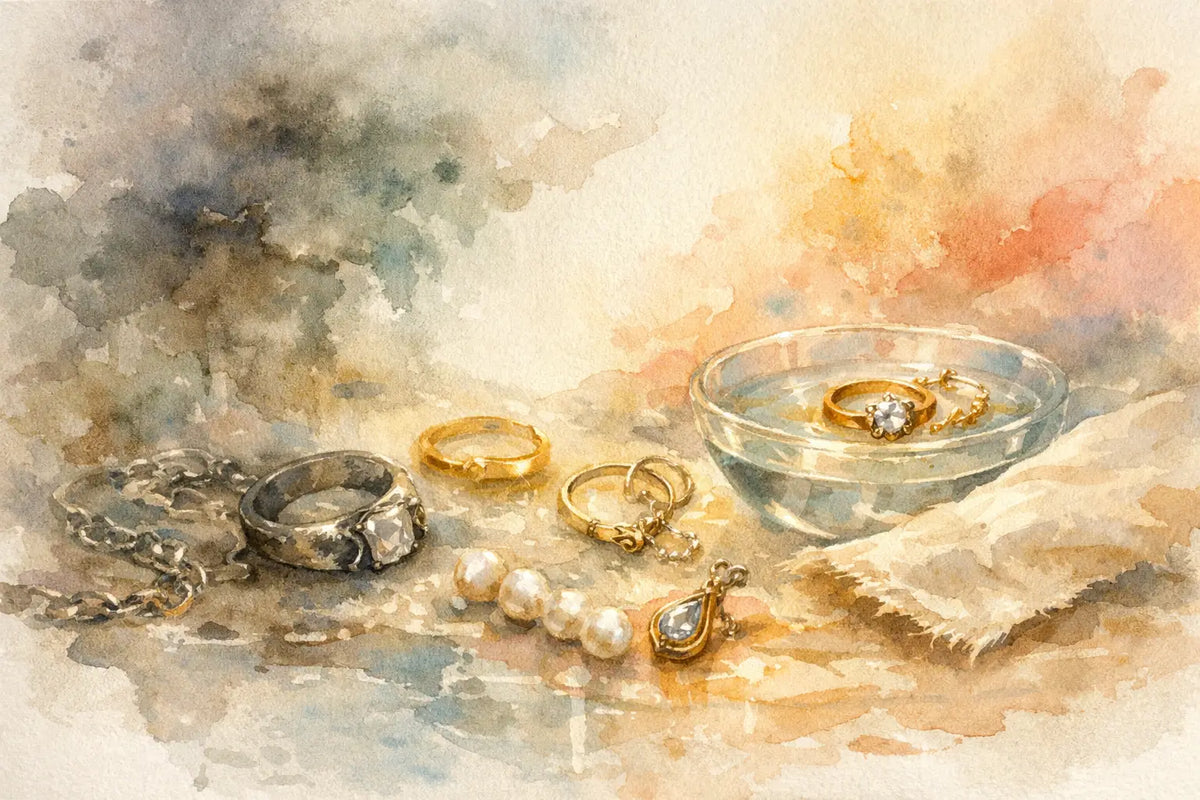
Start with the gentlest method: use a clean, dry, soft microfiber or jewelry polishing cloth to lightly wipe the surface after wearing. This lifts fingerprints, oils, and product residue before they settle in. For pieces that need more attention, use a barely damp soft cloth with a small amount of mild soap, then wipe again with a separate damp cloth to remove residue. Dry thoroughly and completely before storage.
Always consider the material first. Jewelry with glued stones, pearls, enamel, or intricate settings should not be soaked. Water can loosen adhesive, settle into small spaces, or affect decorative finishes. If you are uncertain, dry cleaning with a soft cloth is the safest first step.
There is also a useful distinction between tarnish and worn plating. Tarnish is a surface change that may improve with gentle cleaning. Worn plating occurs when the top layer has thinned from friction, water, or long-term use, exposing the metal beneath. Cleaning cannot restore plating, and aggressive polishing may make the difference more noticeable.
Choose a Care Routine That Fits Your Life
The best jewelry routine is one you will actually keep. If you wear the same minimalist necklace almost every day, give it a quick soft-cloth wipe before placing it in its pouch. If you rotate statement earrings for weekends, inspect them before and after wear, especially after a warm night out or a day near the water.
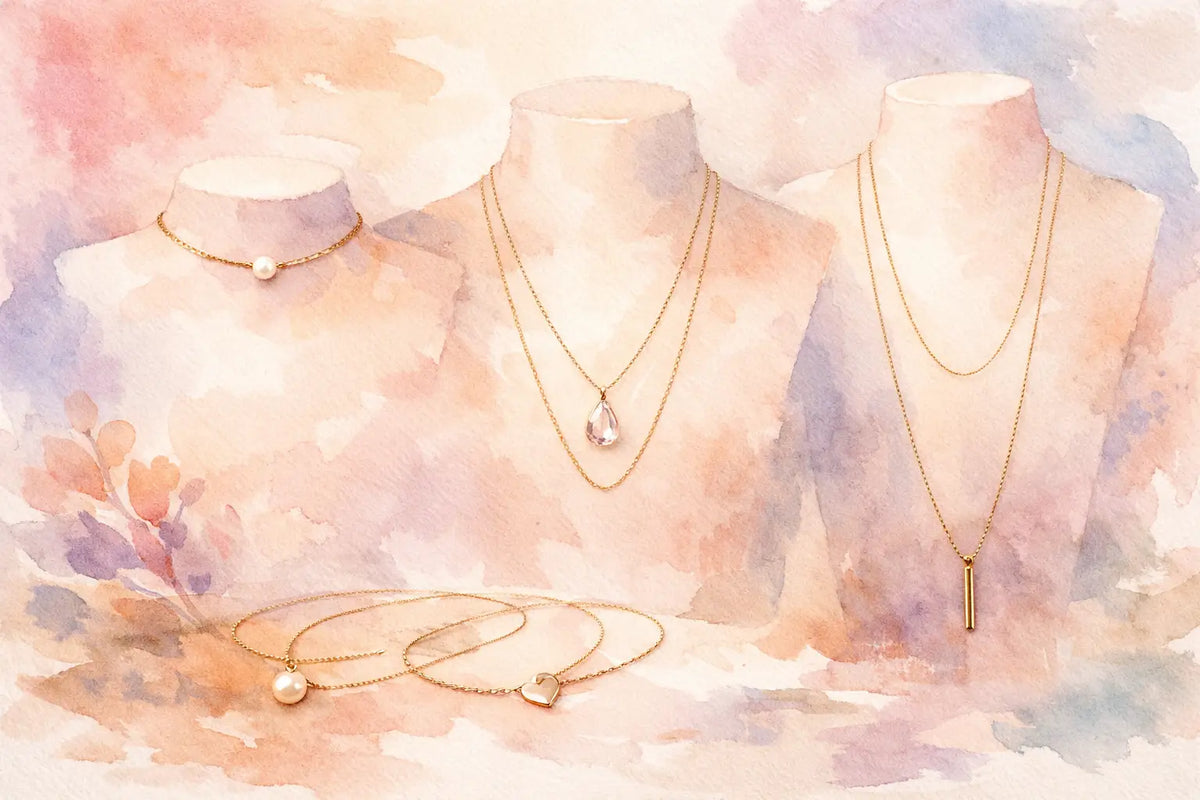
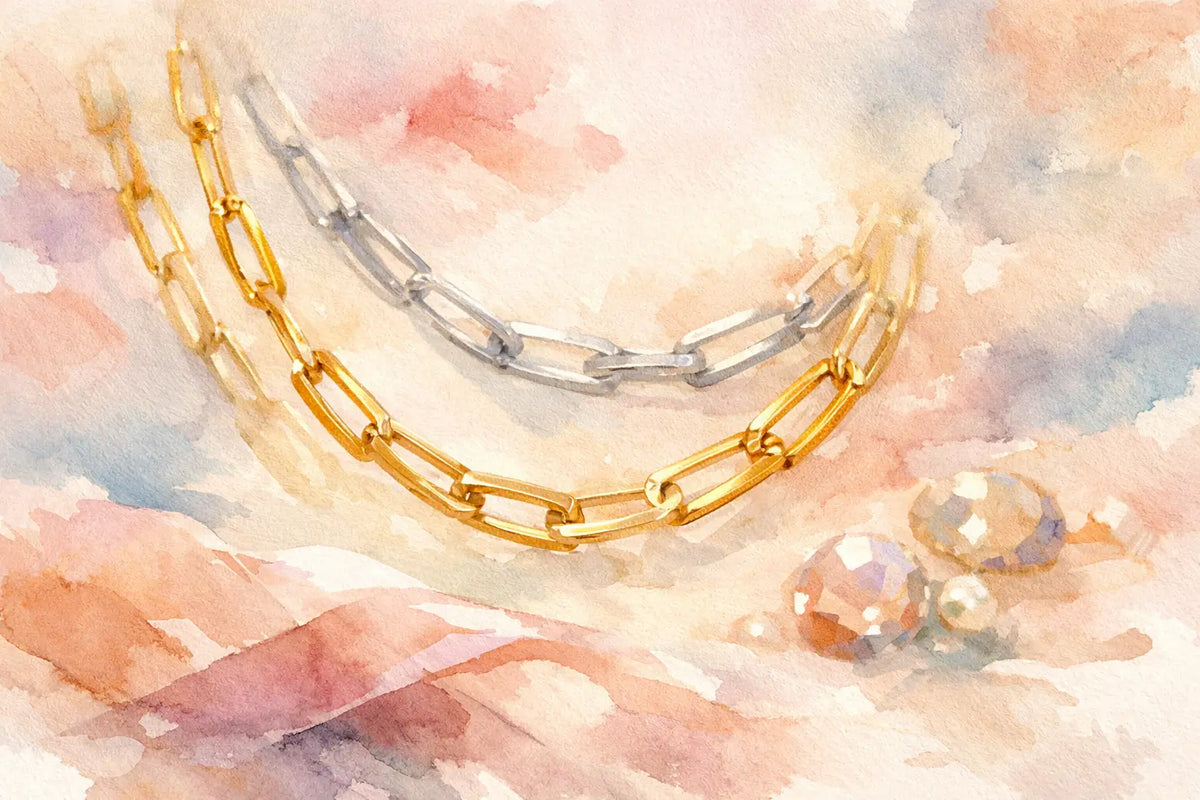
Think of jewelry care as preserving the details you chose on purpose. A paperclip chain brings structure to a simple outfit. A pair of hoops adds confidence in seconds. An adjustable ring can make a stack feel personal. When these pieces stay bright, they are ready for more outfits, more celebrations, and more gifting moments.
At Laliyo, we believe accessible elegance should fit real life, not sit untouched in a box. Wear the pieces that make you feel like yourself. Just give them the dry, gentle reset they deserve when the day is done. A little care keeps your favorite shine close for longer.